AI image generator from image example
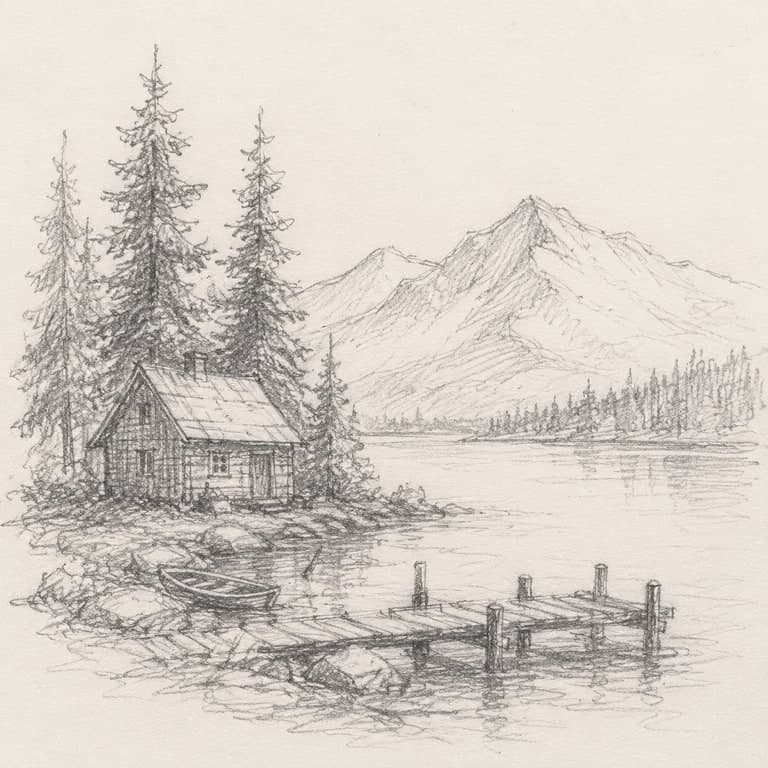
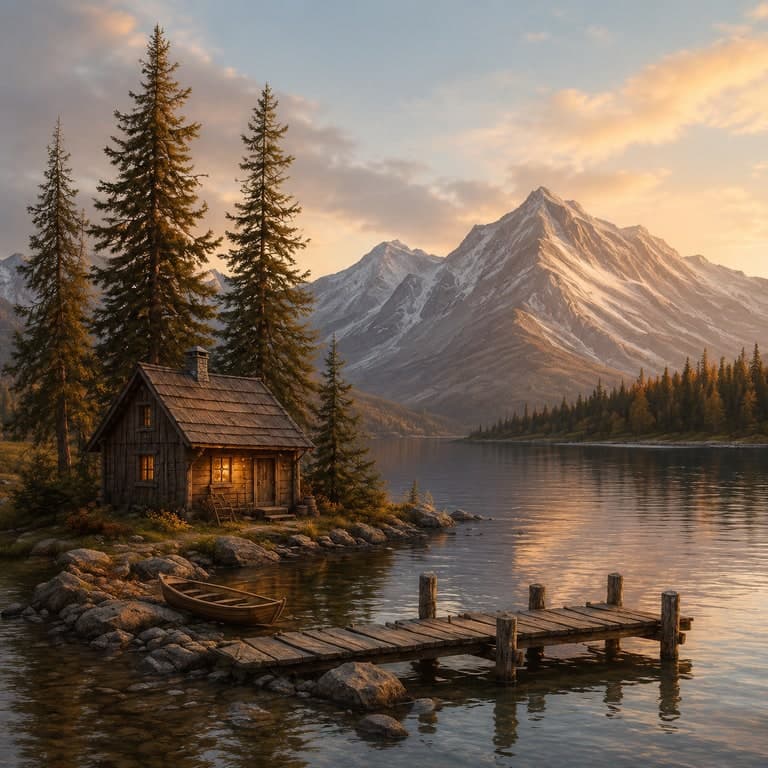
Sketch to Finished Cabin Image Example
Turn a rough pencil cabin sketch into a finished lakeside concept image while preserving the cabin, dock, trees, and mountains.
Workflow Notes
Designers, illustrators, architects, and game teams turning rough visual ideas into presentable concept images.
Uses the sketch as a layout guide, then fills it with light, materials, color, and realistic detail.
Start with a clear source image so the subject and layout are easy to preserve.
Use prompts to control the sketch to image direction without changing the core subject too aggressively.
Create several versions, then use higher-resolution exports when the final image is ready for delivery.
How to recreate this result
This example page is built as a reusable tutorial, not just a before/after image. Start from a source image with a similar structure, borrow the prompt pattern, then open the matching workflow hub for deeper guidance.
Step 1
Match the source structure
Start with a source image that has a similar subject, crop, and composition to this sketch to image example.
Step 2
Reuse the prompt pattern
Keep the parts that describe style, lighting, and preservation rules, then replace the subject details with your own image context.
Step 3
Generate and compare
Judge the result against the original source image, not in isolation. The best output keeps the important structure anchored.
Step 4
Save the final version
Download the sample, save to your gallery, submit a strong result as a public example, or upgrade when you need plan-gated exports.
Best source image for this workflow
This example works best when the uploaded source already contains the subject, composition, and rough visual direction you want the AI to preserve.
Prompt settings used
Mode
Sketch to image
Output goal
Uses the sketch as a layout guide, then fills it with light, materials, color, and realistic detail.
Prompt control
The prompt names style, lighting, composition rules, and what should not appear in the image.
Export path
Start with a standard test, then use 2K or 4K-class export only when your active plan supports it.
Common mistakes to avoid
- Using a source image that does not match the sketch to image example goal.
- Writing a prompt that asks for too many unrelated changes at once.
- Judging only the result image without comparing it against the source composition.
Prompt Used
Finished cozy lakeside cabin concept image, preserve the cabin, dock, pine trees, lake, and mountain layout, realistic warm light, natural materials, no text, no logo, no watermark.
Try this promptFAQ
Can I recreate this sketch to image workflow?
Yes. Upload a similar source image, use the prompt direction shown on this page, and adjust the wording for your own brand, product, or scene.
Will the generated image stay close to my source image?
Image-to-image generation is designed to keep the main subject and composition recognizable, but stronger prompts can change styling, background, and details more noticeably.